


*This is not a comprehensive guide to implementing the AIP diet and is not intended for use as medical advice.
What Is It?
The AIP or Autoimmune Protocol Diet (sometimes also referred to as the “Paleo approach”) is a way of eating that aims to reduce inflammation, pain, and other symptoms of autoimmune diseases. It is an elimination diet approach that is designed to help identify food allergies and sensitivities, balance gut flora, and heal the body over time.
Who Can Benefit from an AIP Diet?
Although the research is not definitive, those who suffer from autoimmune diseases such as lupus, inflammatory bowel disease, celiac disease, and rheumatoid arthritis may benefit from implementing an AIP diet.
If you’re wary of the benefits, I understand! However, many studies such as the one discussed here and another here have shown incredible results for those who implement an AIP diet!
How the AIP Diet Works
To begin, adopters of the AIP diet eliminate all potentially irritating foods such as inflammatory ingredients, gut irritants, and immune stimulants for at least 30 days in order to help their body heal from any side effects these foods might be causing. After this period of elimination, foods are reintroduced slowly and one by one in order to identify any foods that may be causing adverse reactions.
Once all foods have been reintroduced and symptom-causing items are identified, many people continue to follow an AIP-based diet adding many foods back in and avoiding those to which they found they did not respond well. As a result, the AIP protocol is meant to be a short-term practice and adapted to fit your individual needs for a sustainable approach.

Note: A common comment I get regarding the AIP diet is that people don’t have any adverse side effects to foods. However, the truth is that if you’re struggling with chronic health conditions, you may have reactions to which you are unaware. Of course, there may be some foods on the list to avoid that you don’t have any reactions to, but there might also be some you didn’t know you should avoid. You see, if your body has been dealing with side effects for an extended period of time, it can become nearly impossible to notice that you feel any at all. For this reason, I highly recommend following the complete protocol for at least 30 days in order to let your body truly heal. You might be surprised to learn that some foods you eat every day are causing reactions!
How to Reintroduce Foods
Of course, if you have concerns, consult your doctor or work with an AIP-certified coach before removing or reintroducing foods back into your diet. However, when done slowly, the reintroduction period can be extremely useful! After eliminating foods, begin adding them back into your diet after at least 30 days (or a period of time long enough to notice significant reductions in inflammation and other side effects) by following the steps below.
- Select a food to reintroduce starting with Level 1 foods (listed below).
- Consume ½ teaspoon, and wait 15 minutes.
- If you experience no symptoms, consume another 1 teaspoon of the same food, and wait another 15 minutes.
- If after this period, you still have no symptoms, consume a normal portion of the same food.
- Then, wait 5-7 days, following the AIP diet and refrain from introducing any other new foods. During this period, monitor yourself for any symptoms (bloating, rashes, etc.). If you still do not notice any symptoms, feel free to reintroduce the food back into your diet.
- Repeat this process until all foods have been reintroduced, and avoid consuming any items that cause symptoms after consuming.
Levels of Reintroduction
Technically, there are no rules when it comes to reintroducing foods back into your diet. However, there are stages recommended based on the nutritional value gained from specific foods and the likelihood of adverse reactions starting with lower-level risks and progressing from there. You don’t have to reintroduce every food in each stage before moving on to the next. However, if you are noticing reactions to a significant amount of items in any particular stage, it is recommended that you take a break, return to the strict AIP diet for at least a few weeks, and then try the reintroduction phase once more. If you still react to level one foods, take another break, and move on to the level 2 stage instead.
Autoimmune wellness has a great article about those tricky foods in certain reintroduction phases AIP diet, including types of fruit!.
Stage 1 Foods:
- Egg yolks
- Fruits & Vegetable-like Fruits with Small Seeds
- Seed-based spices
- Nut and seed oils
- Ghee
- Coffee (occasionally)
- Cocoa/chocolate
- Peas and legumes with edible pods (green beans, sugar snap peas, snow peas, etc.)
- Legume sprouts
Stage 2 Foods:
- Seeds
- Nuts
- Coffee (daily)
- Egg whites
- Grass-fed butter
- Gluten Free Alcohol (minimally)
Stage 3 Foods:
- Eggplant
- Sweet peppers
- Paprika
- Peeled potatoes
- Grass-fed dairy
- Lentils, split peas, garbanzo beans
Stage 4 Foods:
- Chili peppers and nightshade spices
- Tomatoes
- Unpeeled potatoes
- Gluten Free Alcohol (in larger amounts, such as two 5.5 ounces of wine or less)
- Gluten free grains
- Fermented legumes
- White rice
- Other foods to which you have previously shown allergic or strong reactions
Common Food Symptoms
- Worsening of a diagnosed disease
- Cravings
- Pica (an abnormal desire to eat substances)
- Reduced energy and/or mood swings
- Gastrointestinal issues (gas, boating, stomach aches, heartburn, diarrhea, nausea, etc.)
- Headaches
- Dizziness
- Coughing
- Changes in skin (rash, irritation, dry skin)
- Increased anxiety
Foods to Avoid
While everyone approaches diets differently, and you should work with professional, common food avoided when implementing an AIP diet include:
- Dairy: milk, yogurt, cheese, etc.
- Food Additives: nitrates, emulsifiers, preservatives
- Gluten: regular bread, pasta
- Grains: rice, wheat, oats, barley
- Nuts and Seeds: almonds, cashews, sunflower seeds, etc. (including all foods derived from them such as nut butters, flours, and oils) as well as seed-based spices such as coriander, cumin, fennel, mustard, and nutmeg
- Legumes: lentils, beans, peanuts
- Nightshade Vegetables: tomatoes, peppers, potatoes, and eggplant
- Oils: soy and canola
- Added Sugars and Sweeteners: brown rice syrup, high fructose corn syrup, barley malt syrup
- Coffee: regular and decaf
- Alcohol: wine, beer, liquor
Foods to Consume
Of course, you know your body best and should consume foods you know make you feel good and settle well within your stomach. However, in general, foods consumed when following an AIP diet include:
- Vegetables: a wide variety, excluding nightshade vegetables
- Fruit: a wide variety, preferably fresh and seedless or seeds that can be removed.
- Tubers: sweet potatoes, taro, yams
- Minimally Processed Meats: wild game, fish, seafood, organ meat, and chicken (grass-fed or pasture-raised when possible)
- Fermented Foods: kombucha, kimchi, sauerkraut, pickles
- Minimally Processed Vegetable Oils: olive oil, avocado oil, coconut oil
- Herbs and Spices: not derived from seeds
- Vinegars: balsamic, apple cider, red wine vinegar free from added sugars
- Natural Sweeteners: honey and maple syrup
- Teas: green and black
- Bone Broth: chicken and beef
What to Eat
AIP-Friendly Breakfasts
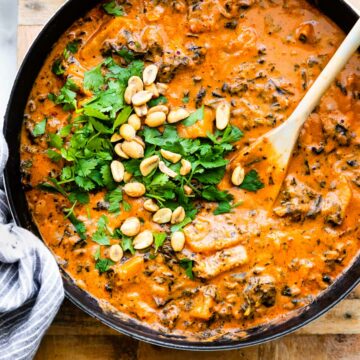
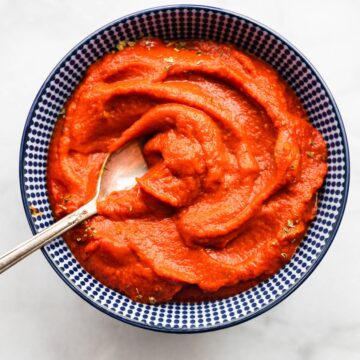
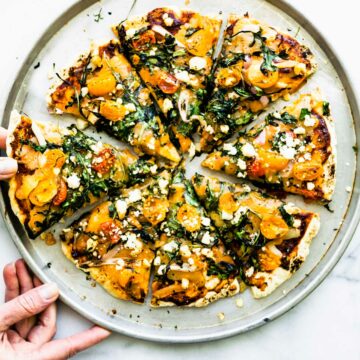
AIP-Friendly Lunches and Dinners
AIP-Friendly Snacks
- Tropical Turmeric Smoothie
- Vegan Ranch (AIP Option) with veggies
*Find a full meal plan here!
Helpful Resources
If you’re looking for even more great resources to expand your knowledge of the AIP diet, we’ve done our best to gather a few of our favorite, most trusted websites and books to help you gain more knowledge.
Websites
Informational Books
- The Autoimmune Wellness Handbook
- AIP Diet: The Ultimate Guide for Intense Healing, Sparkling Health That Manages Autoimmune and Inflammation Disorders
Cookbooks
- The Healing Kitchen
- The Hashimoto’s AIP Cookbook
- The Autoimmune Protocol Made Simple Cookbook
- The Autoimmune Protocol Reintroduction Cookbook
- The Autoimmune Protocol Meal Prep Cookbook
Sources:
- Efficacy Of The Autoimmune Protocol Diet For Inflammatory Bowel Disease
- Efficacy Of The Autoimmune Diet For Hashimoto’s Thyroid Disease
- The Autoimmune Protocol Diet And Effect On Quality Of Life In Inflammatory Bowel Disease
- The Autoimmune Protocol Diet And Its Effect On Gene Expression In Inflammatory Bowel Disease






Fruit is listed as a food ok to consume, but also a level 1 to add after 30 days. Which is it?
That’s a great question Chelsea! And I just updated the diet guide to specify why fruit is in the introduction phase. It really depends on the person and the type of fruit, seedless or with seeds. The Autoimmune wellness has a great article on the those tricky introduction foods. I linked it above but it’s also here. https://autoimmunewellness.com/whats-in-whats-out-on-aip-answers-to-tricky-foods/
Basically, if you aren’t seeing improvement with the AIP diet then you might consider removing the small seeded fruit, like kiwi, strawberries, etc. Why? because they do contain small amounts of protease inhibitors. The paleo approach has more information about this too! Hope it helps!